

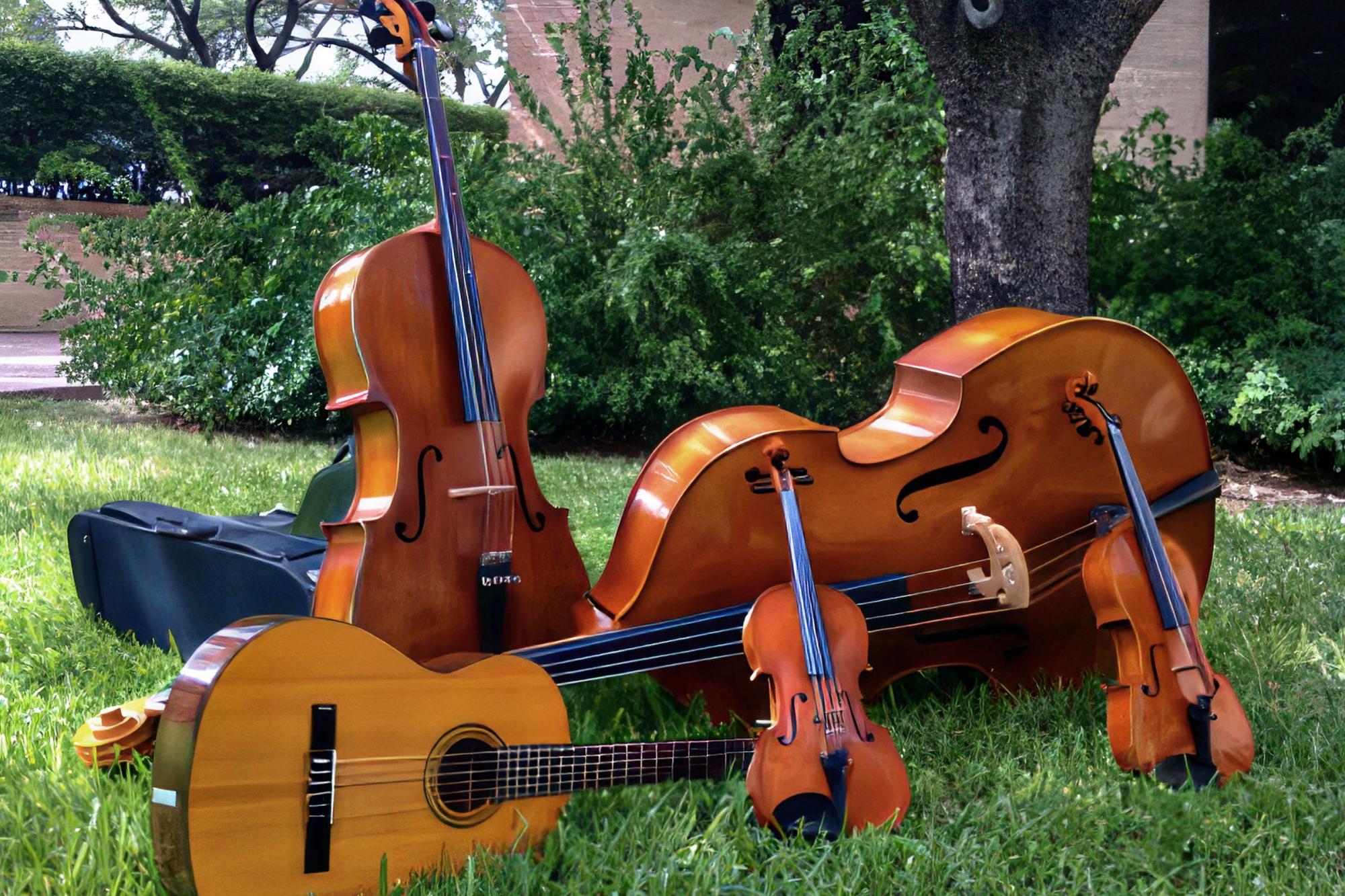

The violin differs from other bowed string instruments in several significant ways:
- Size: The violin is smaller than instruments like the viola, cello, and double bass. This size difference affects not only the pitch but also the physical demands of playing each instrument. The smaller size of the violin allows for greater agility and speed in playing, making it well-suited for rapid passages and melodic lines.
- Range: Violins typically play higher pitches, while cellos and double basses produce deeper tones. The violin’s range generally spans about four octaves, allowing it to produce bright, soaring melodies. In contrast, violas have a lower range than violins and provide harmonies, while cellos and basses support the bass line in orchestral settings.
- Playing Technique: The playing techniques for each instrument vary. For instance, the violin often uses techniques such as pizzicato (plucking the strings), vibrato (a slight fluctuation in pitch), and various bowing techniques that contribute to its unique sound. Cellists and violists have different finger placements and bowing styles that cater to their respective instruments, affecting how music is approached and performed.
- Role in Music: Violins frequently lead melodic lines in orchestras and chamber music. They often play the main themes in symphonies and concertos, while violas typically provide harmony and support. Cellos often carry the bass line or contribute rich harmonies, and double basses provide the foundational support in orchestral settings. Understanding these roles can help musicians appreciate the dynamics and texture of ensemble music.
- Sound Production: The construction and shape of each instrument also influence their sound. The violin’s body design allows it to produce a bright, penetrating sound that cuts through orchestras. In contrast, cellos and basses have a fuller, warmer sound due to their larger size and different resonance characteristics.

